
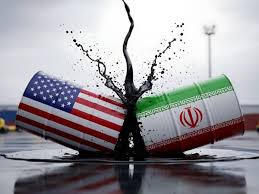
The US-Iran conflict
We often talk about “global events” as if they happen in a vacuum, far away from our kitchen tables or our daily commutes. But in reality, the world is more like a spiderweb—tug on one string in Washington or Tehran, and the vibration travels all the way to the fuel pumps in Nigeria.
For Nigerians, the ongoing friction between the United States and Iran isn’t just a headline on international news; it’s a direct contributor to why the cost of living feels like it’s climbing an endless mountain.
The Chain Reaction: From Tensions to Prices
The math is unfortunately simple: Iran is a massive player in the global oil market. When tensions flare with the US, it creates “market anxiety.” Investors worry about supply disruptions in the Strait of Hormuz, and global oil prices spike in response.
How does this hit Nigeria?

Pexel: Image of Lagos
Even though we sit on vast oil reserves, our reliance on imported refined petroleum means we are at the mercy of these global price swings.
Transportation: When the price of crude oil goes up, the landing cost of petrol and diesel follows.
The Food Table: If a truck driver pays double for fuel to move tomatoes from the North to the South, the price of those tomatoes goes up for the final consumer.
The Power Gap: The national grid is often unpredictable, and many businesses and homes rely on diesel generators. Higher oil prices mean higher bills just to keep the lights on and the fans spinning.
Beyond the spreadsheets, there’s a real human cost. It’s the entrepreneur who has to choose between fueling their delivery bike or restocking their inventory. It’s the student who spends more on transport than on lunch. It’s the weight of “inflation fatigue” that many of us are feeling right now.
It’s exhausting to work twice as hard just to maintain the same standard of living.
How Vatebra Tech Hub is Stepping In
At Vatebra Tech Hub, we can’t control global oil markets or international diplomacy, but we can control how we support our local community of innovators, freelancers, and business owners.
We know that when fuel prices soar, the cost of running an individual office or even working from home with a generator becomes unsustainable. That’s why we’re doubling down on our mission to provide a conducive, tech-forward space to work from.
1. Affordable Productivity
Instead of incurring the skyrocketing fuel and maintenance costs of your own generator, our hub offers a shared-economy model. You get a world-class workspace at a fraction of what it costs to “power yourself.”
2. Uninterrupted Power & Internet
We handle this constraint so you can focus on the logic. We provide reliable power and high-speed internet, ensuring that global economic fluctuations don’t result in your screen going dark in the middle of a client meeting.
3. A Community That Understands
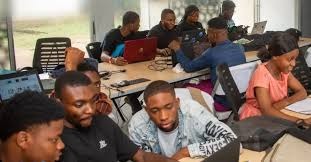
High costs of living can be isolating. Working from Vatebra Tech Hub puts you in a room with other resilient Nigerians. It’s a space to collaborate, share tips on navigating the current economy, and find the inspiration to keep building despite the hurdles.
—
Moving Forward Together
The world might feel a bit chaotic right now, but your productivity doesn’t have to be. While the “big players” on the global stage figure things out, we are focused on making sure you have a stable, comfortable, and empowering place to grow your dreams.
Would you like to come in and work in our workspace or learn about our flexible membership plans?